Casablanca’s Marine Ecosystem Under Pressure as Students Raise Alarm
Students in Casablanca have issued a stark warning over the state of the city’s marine environment, highlighting growing concerns about pollution and climate change and their impact on food security.
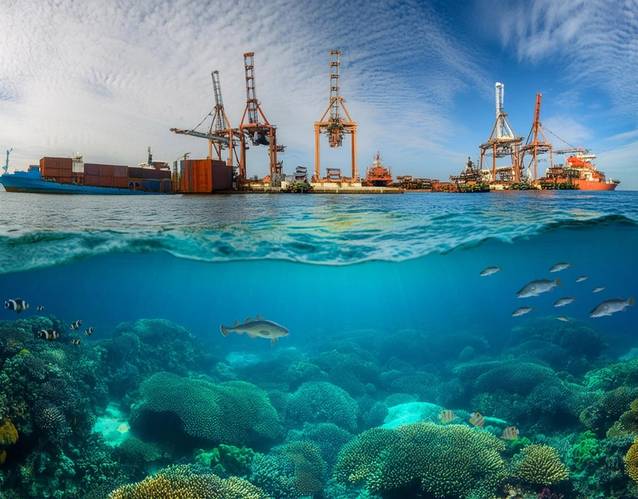
The report, produced by pupils from Henri Matisse School as part of an environmental journalism initiative, points to hydrocarbon pollution from industrial activities and maritime traffic as a key threat to marine life. Toxic substances released into the ocean can accumulate in the food chain, potentially affecting both ecosystems and human health.
Fishing remains a vital sector in Casablanca and across Morocco, supporting jobs and providing affordable sources of protein. However, the students warn that environmental degradation could undermine this balance, placing additional strain on already vulnerable marine resources.
Climate change is also compounding the problem. Rising temperatures and environmental shifts are reducing the ocean’s ability to absorb greenhouse gases, contributing to further instability in marine ecosystems.
In response, the students propose an innovative approach: recycling human hair to create filters capable of absorbing oil pollutants. They say the method could offer a low-cost and sustainable way to protect marine environments while supporting food security.
The report concludes that urgent, coordinated action will be needed to safeguard the marine ecosystem, warning that its future is closely tied to both climate stability and the resilience of food systems.
The young reporters of the Henri Matisse EL Oulfa school group